Anti-Vibration Pads

Anti-Vibration Pads


Anti-Vibration Pads
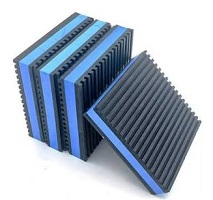
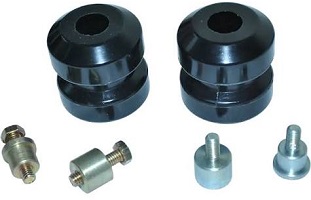
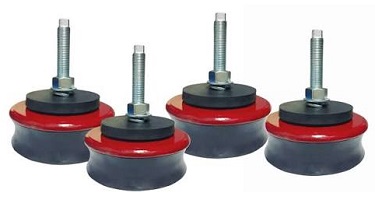
**Anti-vibration pads** are specially designed components made from rubber, cork, neoprene,
polyurethane, or composite materials that reduce vibration, absorb shock, and minimize noise
generated by machinery and equipment. They are installed beneath machines, equipment,
or structures to isolate vibrations from being transmitted to floors, buildings, or nearby equipment.
These pads help improve equipment performance, extend machinery life, enhance worker comfort,
and reduce maintenance costs.

Key Features: * Excellent vibration isolation, * High shock absorption capability,
* Noise reduction, * High load-bearing strength, * Slip-resistant surface,
* Resistant to oils, chemicals, and moisture (depending on material),
* Long service life, * Easy installation with minimal maintenance.

Add: Anti-Aging Self Tanner

Types of Anti-Vibration Pads:
Plain Rubber Pads: * Simple flat pads, * Economical, * Suitable for light to medium loads.
Ribbed Pads: * Grooved surface improves vibration isolation, * Better grip,
* Enhanced airflow beneath equipment.
Cork-Rubber Pads: * Combination of cork and rubber, * Excellent damping characteristics,
* Suitable for precision machinery.
Sandwich Pads: * Multiple material layers, * Superior vibration isolation,
* Heavy-duty applications.
Heavy-Duty Industrial Pads: * Thick, reinforced construction,
* Designed for high-load industrial machinery.

Manufacturing Process: 1. Material selection, 2. Rubber compounding,
3. Mixing additives and fillers, 4. Compression or injection molding,
5. Vulcanization (curing), 6. Cutting and finishing, 7. Surface treatment (if required),
8. Quality inspection, 9. Packaging.

Add: Control Heart Burn

Applications:
Industrial Machinery: * CNC machines, * Milling machines, * Lathes, * Press machines.
HVAC Systems: * Air conditioners, * Cooling towers, * Chillers, * Air handling units.
Power Equipment: * Diesel generators, * Compressors, * Pumps, * Turbines.
Construction Equipment: * Concrete mixers, * Vibratory compactors,
* Crushers, * Screening machines.
Transportation: * Railway equipment, * Marine engines, * Automotive workshops.
Commercial Buildings: * Elevators, * Escalators, * Building service equipment.
Laboratories: * Precision instruments, * Testing equipment, * Microscopes.

Advantages: * Reduces machine vibration, * Minimizes operational noise,
* Protects building structures, * Improves machine stability,
* Extends equipment lifespan, * Reduces maintenance costs,
* Enhances workplace safety, * Improves precision of sensitive equipment,
* Easy to install and replace, * Cost-effective vibration control solution.
Limitations: * Limited load capacity for standard pads,
* Rubber may degrade under prolonged UV exposure, * Performance decreases with aging,
* Improper sizing reduces effectiveness, * Some materials have limited chemical resistance.

Add: LingChat – Get Fluent Faster with AI

Selection Criteria:
Consider the following factors: * Machine weight, * Operating frequency, * Vibration amplitude,
* Static and dynamic loads, * Environmental conditions, * Temperature range,
* Chemical exposure, * Floor condition, * Required isolation efficiency.

Industries Served: * Manufacturing, * Construction, * Automotive, * Aerospace, * Oil & Gas,
* Power Generation, * Marine, * Mining, * Food Processing, * Pharmaceutical, * HVAC,
* Healthcare, * Electronics, * Laboratory Equipment.

Maintenance: * Inspect periodically for cracks and wear, * Replace damaged or hardened pads,
* Keep surfaces clean and free from oil buildup, * Ensure proper load distribution,
* Avoid overloading, * Verify pad alignment during maintenance.

Add: Dream Your Transformation

Benefits: * Better vibration control, * Lower noise levels, * Increased equipment reliability,
* Improved productivity, * Longer machinery service life, * Reduced structural damage,
* Lower maintenance expenses, * Enhanced operator comfort, * Improved accuracy for precision equipment.

Conclusion: Anti-vibration pads are essential components for protecting machinery, buildings,
and personnel from the harmful effects of vibration and noise. Available in a range of materials
and designs, they are widely used across industrial, commercial, construction, transportation,
and laboratory applications. Proper selection based on load, vibration frequency, and operating
environment ensures optimal performance, improved equipment longevity, and reduced maintenance costs.

Add: Introducing The Glow Era


Wishing you all the best,
http://www.seeyourneeds.in