Applications of Aircraft Structures
Aircraft structures are the load-bearing components of an aircraft that provide
strength, stiffness, stability, and aerodynamic shape while keeping the aircraft
as lightweight as possible. They are designed to withstand aerodynamic loads,
engine forces, landing impacts, vibration, fatigue, and temperature variations.
Main aircraft structural components:
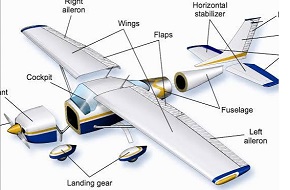
Wings:
- Generate lift to keep the aircraft airborne.
- Resist bending, shear, and torsional loads.
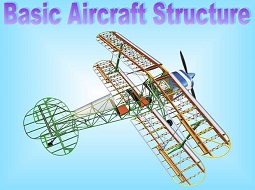
- Use spars, ribs, stringers, and skin panels.
- Applications: commercial aircraft, fighter jets, and gliders.
Tail assembly (empennage):
- Provides longitudinal and directional stability.
- Supports control surfaces such as elevators and rudders.
- Experiences aerodynamic bending and torsion.
Landing gear:
- Absorbs impact during landing.
- Supports aircraft weight during taxiing and takeoff.
- Designed for compression, impact, fatigue, and wear.
Engine mounts and pylons:
- Transfer engine weight and thrust to the airframe.
- Resist vibration, thermal effects, and dynamic loads.
- Require high strength and reliable fatigue performance.
Materials used in aircraft structures:
Aluminum alloys: Widely used for fuselage skins, wing structures, frames,
and ribs because of their low weight and good manufacturing properties.
Carbon-fiber composites: Used in wings, fuselage sections, tail assemblies, and
control surfaces to reduce weight and improve fatigue and corrosion resistance.
Titanium alloys: Used in highly loaded joints, engine structures, and selected
landing-gear components because of their high strength and temperature resistance.
High-strength steels: Used in landing gear, shafts, and highly loaded fittings
where strength, toughness, and wear resistance are essential.
Real-world applications:
Commercial aircraft: Lightweight fuselage and wing structures improve fuel
efficiency, payload capacity, and service life.
Military aircraft: Structures must withstand high maneuvering loads,
vibration, and demanding operating environments.
Helicopters: Structural design addresses rotor-induced vibration,
cyclic fatigue, and loads transmitted through the airframe.
Drones and UAVs: Lightweight composite structures provide stiffness and
endurance while supporting sensors, batteries, and payloads.