Biogas Production
Biogas production is the process of generating a combustible gas mixture from organic materials
through **anaerobic digestion** (decomposition in the absence of oxygen). It provides a renewable
source of energy and helps manage organic waste.
What Is Biogas? Biogas mainly consists of: Methane (CH₄):** 50–75%, Carbon dioxide (CO₂):** 25–50% .
Small amounts of hydrogen sulfide, water vapor, and other gases. Methane is the component that can be
used as fuel for cooking, heating, electricity generation, and transportation.
Raw Materials: Common feedstocks include: * Animal manure, * Agricultural residues, * Food waste,
* Sewage sludge, * Organic municipal waste, * Crop residues.
1. Feedstock Collection:
Organic waste is collected and prepared by removing contaminants and adjusting moisture content.
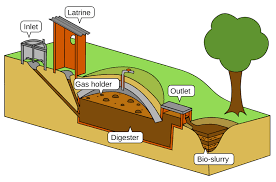
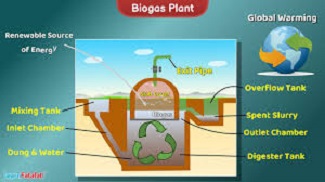
2. Anaerobic Digestion: The waste is placed in an airtight digester where microorganisms
break down organic matter through four stages:
1. **Hydrolysis** – Complex organic compounds are broken into simpler molecules.
2. **Acidogenesis** – Simple molecules are converted into organic acids.
3. **Acetogenesis** – Organic acids are converted into acetate, hydrogen, and carbon dioxide.
4. **Methanogenesis** – Methane-producing microorganisms convert these products into biogas.
3. Biogas Collection:
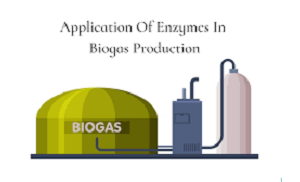
The generated gas accumulates in the digester's gas chamber and is collected through pipelines.
4. Gas Purification: Impurities such as hydrogen sulfide and moisture are removed to improve fuel quality.
5. Utilization: The purified biogas can be used for: * Cooking fuel, * Heating, * Electricity generation,
* Vehicle fuel (after upgrading to biomethane).
Simplified Flow Diagram:
```text
Organic Waste
↓
Feed Preparation
↓
Anaerobic Digester
↓
Biogas + Digestate
↓
Gas Purification
↓
Energy Generation
```
By-Product: Digestate: The residue left after digestion, called **digestate**,
is rich in nutrients and can be used as an organic fertilizer.
Advantages: * Renewable energy source, * Reduces greenhouse gas emissions,
* Improves waste management, * Produces organic fertilizer, * Reduces dependence on fossil fuels.
Challenges: * High initial installation cost, * Requires regular feedstock supply,
* Gas purification may be needed, * Performance depends on temperature and operating conditions.
Biogas systems are widely used in households, farms, industries, wastewater treatment plants,
and municipal waste management facilities, making them an important component of sustainable
energy and circular economy initiatives.
Wishing you all the best,
http://www.seeyourneeds.in