Cybersecurity Technologies

Cybersecurity Technologies


Cybersecurity Technologies

Cybersecurity technologies are tools, systems, and practices used to protect computers, networks, applications,
and data from cyber threats such as hacking, malware, phishing, ransomware, and unauthorized access.

Importance of Cybersecurity: Cybersecurity is essential because modern organizations depend heavily
on digital systems and internet connectivity. Effective cybersecurity helps:

* Protect sensitive information, * Prevent financial loss, * Ensure business continuity
* Safeguard privacy, * Maintain trust and reputation, * Defend against cyberattacks

Add: Support Your Blood Sugar Naturally

Major Cybersecurity Technologies:
1. Network Security: Network security protects computer networks from unauthorized access and attacks.
Technologies Used: * Firewalls, * Intrusion Detection Systems (IDS)
* Intrusion Prevention Systems (IPS), * Virtual Private Networks (VPNs), * Network Access Control (NAC)
Applications: * Securing corporate networks, * Blocking malicious traffic, * Monitoring suspicious activities.

2. Encryption Technology: Encryption converts readable data into coded form to prevent unauthorized access.
Types: * Symmetric Encryption, * Asymmetric Encryption, * End-to-End Encryption.
Common Algorithms: * AES, * RSA, * DES, * ECC.
Uses: * Secure communication, * Online banking, * Data protection.

3. Authentication and Access Control: These technologies verify user identity and control access to systems.
Methods: * Password Authentication, * Multi-Factor Authentication (MFA), * Biometrics, * Single Sign-On (SSO),
Benefits: * Prevent unauthorized access, * Improve identity security.

4. Cloud Security: Cloud security protects cloud-based applications, services, and data.
Technologies: * Cloud Access Security Broker (CASB), * Secure Access Service Edge (SASE), * Data Loss Prevention (DLP).
Features: * Data encryption, * Identity management, * Threat monitoring.

Add: Blood Sugar Blaster

5. Endpoint Security: Endpoint security protects devices such as laptops, smartphones, and servers.
Tools: * Antivirus software, * Anti-malware systems, * Endpoint Detection and Response (EDR).
Purpose: * Detect and remove malware, * Prevent ransomware attacks.

6. Application Security: Application security protects software and web applications from vulnerabilities.
Techniques: * Secure coding, * Web Application Firewalls (WAF), * Penetration testing, * Vulnerability scanning.
Common Threats: * SQL Injection, * Cross-Site Scripting (XSS), * Buffer overflow attacks.

7. Artificial Intelligence in Cybersecurity: Artificial Intelligence is increasingly used
to detect and respond to cyber threats automatically.
AI Applications: * Threat detection, * Behavioral analysis, * Fraud detection, * Automated incident response
Advantages: * Faster threat identification, * Real-time monitoring, * Predictive security analytics.

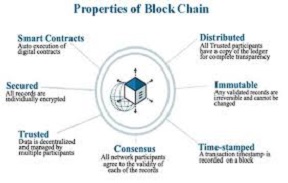
8. Blockchain Security: Blockchain improves security through decentralized and tamper-resistant systems.
Uses: * Secure transactions, * Identity verification, * Data integrity protection.
Advantages: * Transparency, * Immutability, * Reduced fraud risk.

9. Zero Trust Security: Zero Trust follows the principle: “Never trust, always verify.”
Key Features: * Continuous authentication, * Least-privilege access, * Device verification, * Network segmentation,
Benefits: * Reduces insider threats, * Limits attack spread.

Add: Eliminates that debilitating noise

10. Security Information and Event Management (SIEM): SIEM systems collect and analyze security logs from multiple systems.
Functions: * Real-time monitoring, * Threat analysis, * Security reporting, * Incident response.
Popular SIEM Tools: * Splunk, * IBM QRadar, * ArcSight.

Common Cyber Threats:
| Threat | Description |
| --------------- | --------------------------------------- |
| Malware | Malicious software that damages systems |
| Phishing | Fake messages to steal information |
| Ransomware | Encrypts files and demands payment |
| DDoS Attacks | Overloads servers with traffic |
| Spyware | Secretly monitors user activity |
| Insider Threats | Threats from employees or insiders |

Emerging Trends in Cybersecurity.

1. AI-Powered Security: Advanced AI systems automatically detect evolving threats.
2. Quantum-Resistant Cryptography: genui{"math_block_widget_always_prefetch_v2":{"content":"a^2+b^2=c^2"}}

Future encryption methods are being designed to resist attacks from Quantum Computing systems.

3. Cybersecurity Automation: Automated tools improve incident response speed.
4. IoT Security: Protecting Internet-connected smart devices is becoming critical.
5. Biometric Security: Fingerprint, facial recognition, and iris scanning are increasingly used.

Add: NEOTONICS, Supporting Skin and Gut.

Advantages of Cybersecurity Technologies: * Protects confidential data, * Prevents cybercrime.
* Enhances customer trust, * Supports secure digital transformation, * Reduces operational risks.

Challenges: * Rapidly evolving cyber threats, * Shortage of cybersecurity professionals.
* High implementation costs, * Complex security management, * Privacy concerns.

Conclusion: Cybersecurity technologies play a critical role in protecting digital infrastructure, communication systems,
and sensitive information. As cyber threats continue to evolve, organizations increasingly adopt advanced technologies
such as AI, blockchain, cloud security, and Zero Trust architectures to strengthen their defenses
and ensure secure digital operations.


Wishing you all the best,
http://www.seeyourneeds.in