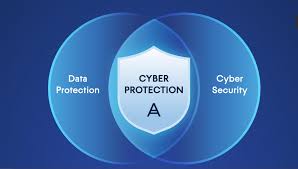
**Cybersecurity** is the practice of protecting computer systems, networks, applications,
and data from cyberattacks, unauthorized access, and damage. **Data protection** focuses
specifically on securing sensitive information from loss, theft, corruption, or misuse.
Key Areas of Cybersecurity
1. **Network Security**
* Protects networks from intrusions and attacks.
* Examples: Firewalls, VPNs, intrusion detection systems.
2. **Application Security**
* Secures software and applications from vulnerabilities.
* Includes secure coding and regular updates.
3. **Cloud Security**
* Protects cloud-based systems, storage, and applications.
4. **Endpoint Security**
* Secures devices like laptops, mobiles, and servers.
5. **Identity & Access Management (IAM)**
* Controls who can access systems and data.
* Methods: Passwords, MFA (Multi-Factor Authentication), biometrics.
Common Cyber Threats:
* **Phishing** – Fake emails/messages used to steal information.
* **Malware** – Harmful software like viruses, trojans, ransomware.
* **Ransomware** – Locks/encrypts data for ransom.
* **DDoS Attacks** – Overloads systems to make them unavailable.
* **Data Breaches** – Unauthorized access to confidential information.
* Protects personal and financial data.
* Prevents business disruption.
* Reduces financial loss.
* Maintains trust and reputation.
* Helps comply with privacy regulations.
In Simple Terms: Cybersecurity protects **systems and networks**,
while data protection protects **the information inside those systems**.
Both are essential for individuals, businesses, and governments.