Disaster Management:
Disaster Management can be defined as the Organization and Management of resources
and Responsibilities for Dealing with all Humanitarian aspects of Emergencies,
in particular Preparedness, Response and Recovery in order to lessen the impact
of Disasters. A Natural Disasters like Floods, Earth Quack or Terror attack sometimes
makes life Miserable. Managing risk associated with Disaster is a challenge today.
Types of Disaster Management:
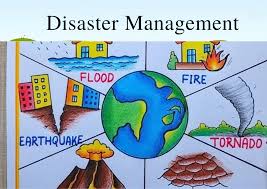
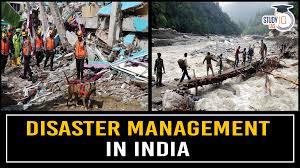
Geophysical (e.g. Earthquakes, Landslides, Tsunamis and Volcanic Activity)
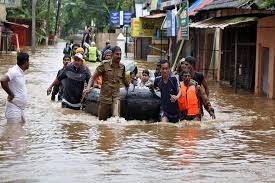
Hydrological (e.g. Avalanches and Floods)
Climatological (e.g. Extreme Temperatures, Drought and Wildfires)
Meteorological (e.g. Cyclones and Storms/Wave Surges)
Biological (e.g. Disease Epidemics and Insect/Animal Plagues)
Disaster Management Need:
Disaster Management measures can help removing people and property from
a threatened location by facilitating timely and effective rescue, relief
and rehabilitation at the place of Disaster thereby reducing loss of property,
protecting people and Reducing Trauma among people.
Disaster Management in Simple Words:
Disaster Management can be Defined as the Organization and Management of Resources
and Responsibilities for Dealing with all Humanitarian aspects of Emergencies,
in Particular, Preparedness, Response and Recovery in order to Lessen the impact
of Disasters. Disasters are the Consequences of Natural or Human Hazards.
Natural Disasters: According to Data from
the Centre for Research on the Epidemiology of Disasters, based in Belgium.
Papua New Guinea: Earthquake. North Korea: Floods. Pakistan: Heat Wave.
Nigeria: Floods. Japan: Floods. India: Floods. Guatemala: Volcanic Eruption.
Indonesia: Tsunami.
4 phases of Disaster Management:
Emergency Managers think of Disasters as Recurring events with four Phases: Mitigation,
Preparedness, Response, and Recovery. The following Diagram illustrates the Relationship
of the Four phases of Emergency Management.
Prevent Disaster Management:
To keep you and your family safe during a Natural Disaster, these Preparedness
Safety Tips can Prevent injuries and make the difference in an Emergency:
Stay informed. Have a Plan for Evacuation.
Keep Emergency Kits on hand. Avoid Unnecessary Risks.
Go to the Safest area in your home.
Techniques of Disaster Management:
The National Governor Association has set a Methodology of Disaster Management
which are its Four Phases known as Mitigation, Preparedness, Response and Recovery.
The main types of Disasters that Occur in Nature include Floods, Hurricanes,
Earthquakes, Volcanic Eruptions, Fires, Mudslides, Typhoons, Tsunamis, etc.
Wishing you all the best,
http://www.seeyourneeds.in