Fixing Tiles:
Another means of earning Money in the construction industry. Fixing Tiles,
Marbles and Interlocking Slabs/Paving Stones.
Which Adhesive is best for Tiles:
Tile Adhesive comes as a Ready Mixed Paste or Powdered. Unsanded, or Smooth Grout,
is best for very fine Grout Lines. Anti-mold Grout is a good, Water Resistant
Choice for Tiling Kitchens and Bathrooms.
Ready to use Tile Adhesive:
High Performance Tile Adhesive can be used to Lay Tiles on Existing Tiles, on
Polished Cement, on Wooden Substrates (with the use of primer), or on other
special Substrates.
How to Mix Cement for Tiles:
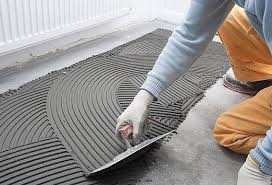
Use a Spirit level before you apply the Tile Adhesive to make sure the Surface
is Level or Flat. Use a Drill and Mixing Paddle to Mix the Cement Adhesive by
Adding Water to the Powder. Make Sure there are no Lumps in the Adhesive and
it is the Consistency of a thick Paste.
Soaking: Soaking Ceramic building materials
in Water is a Common Practice. This is a necessity when Laying Tile that is very
Soft, like Saltillo Tile, or Low Fired, Unglazed Terracotta. At least Place them
Face down and Hose them to allow them to Absorb some Water.
Training: You should need to get Training Before
you can Start and Render services. In training, you can Learn about types of Tiles,
Where those are Useful, Marbles and Specific usage of those, Grading Tiles and Marbles,
Available Resources, Where the Raw Material available for making Tiles and Marbles,
Marketing Potentiality, Transporting system, Which type of Constructions,
which are useful, all these will come into the subject.
Preferences: Nowadays people are getting good
awareness, they are not accepting Tiles without grid on the Tile, otherwise while
coming out of bathroom and they are falling down. In apartments, builders are not
accepting Marbles because, Marbles are generally some Weight will be there,
when Compared to Tiles. You can Consider all these in Practical Experience.
Training: So getting Proper Training will always
be an added Advantage, Without Training also, if you Worked in this Area, you can
Gain the Experience.
Registration: Get business Registration and
Licenses from local Authorities. It is a good Service in Construction industry.
Market your Services by Distributing Visiting Cards in Your Local area and at
Construction Centers and at Real Estate Offie and to Builders. Then you will
get good Business.
Machinery: For doing this Fixing business,
you should have Polishing machine, Cleaning machine, Basically with two workers,
you can Manage it Well. Further, Depends on the volume of Business you get.
Does Super Glue work on Tile:
Unlike other Glues, such as Epoxies, super Glues do not need to be mixed with
any other products. Being a Fast Drying Product, it also makes it a durable
product for Resetting Tasks such as Fixing Loose Tiles. For Ceramic Tile Repair,
use thick super Glue.
How do you replace Ceramic Tile in a Bathroom:
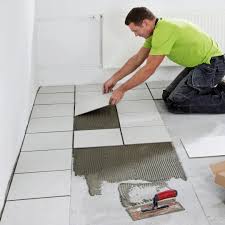
A new Floor Tile is a Relatively Inexpensive way to get started and this DIY project
can be Completed over a Weekend. Measure Floor.
Prepare Underlayment. Attach Underlayment. Determine Tile Layout.
Cut Tile. Place Cut Tiles. Apply Thinset Mortar. Allow Mortar to Dry.
Can I use Cement to Lay Floor Tiles:
Ready To Use Tile Adhesive High Performance Tile Adhesive can be used to Lay Tiles
on existing Tiles, on Polished Cement, on Wooden Substrates with the use of Primer,
or on other Special Substrates.
How long will Ceramic Tile last:
75 to 100 years. According to the Study of Life Expectancy of Home Components,
which was prepared in 2007 by the National Association of Home Builders (NAHB),
the average life expectancy of a Ceramic Tile Floor is 75 to 100 years,
while Natural Stone such as Marble and Granite can last more than 100 years.
Does Grout Strengthen Tile:
Grout Offers a number of Valuable Benefits: It gives your Floor or Wall a Crisp
Finished appearance. it helps Keep Dirt and Debris from Getting in between and
under your Tile. It adds Rigidity and Strength to the Tile Installation.
Wishing you all the best,
http://www.seeyourneeds.in