Problems with High Heels
Wearing high heels can be fashionable and appropriate for certain occasions,
but frequent or prolonged use may lead to several health issues.
Common problems caused by high heels
1. Foot Pain:
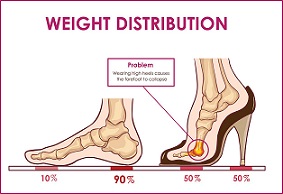
* Increased pressure on the balls of the feet.
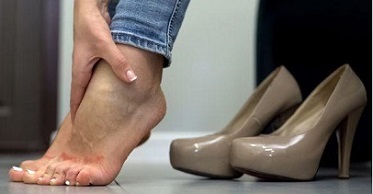
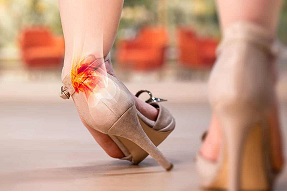
* Pain in the toes, arch, and heel.
* Development of calluses and corns.
2. Bunions:
* Narrow toe boxes can push the big toe inward.
* May cause swelling, pain, and joint deformity.
3. Hammertoes
* Toes remain bent due to prolonged pressure.
* Can become stiff and painful over time.
9. Nerve Compression:
* Tight-fitting heels may compress nerves.
* Can cause numbness, tingling, or burning sensations.
10. Long-Term Foot Deformities:
* Frequent use may contribute to:
* Bunions, * Claw toes, * Metatarsalgia (pain in the ball of the foot)
Who is at greater risk?
* People who wear heels higher than 7–8 cm (3 inches) regularly.
* Those who stand or walk for long periods.
* Individuals with existing foot or joint conditions.
Tips to reduce the risks:
* Choose heels lower than 5 cm (2 inches) for everyday wear.
* Wear shoes with a wider toe box.
* Alternate between heels and supportive flat shoes.
* Use cushioned insoles or gel pads.
* Stretch your calves and feet after wearing heels.
* Avoid wearing high heels for long periods every day.
* Choose block heels or wedges instead of thin stilettos for better stability.
When to see a healthcare professional:
Consult a healthcare provider or podiatrist if you experience:
* Persistent foot or ankle pain. * Swelling that doesn't improve.
* Numbness or tingling. * Difficulty walking. * A visible foot deformity.
Occasional use of well-fitting high heels is unlikely to cause lasting problems for most people, but
wearing very high heels frequently can increase the risk of foot, ankle, knee, and back issues over time.
Wishing you all the best,
http://www.seeyourneeds.in