Lead:
Lead is a Dense, Soft, low melting Metal. It is an important component of batteries,
about 75% of the world Lead production is consumed by the Battery Industry. This
Quality Makes it Effective in sound Barriers and as a Shield against X-rays. Lead
resists Corrosion by Water, so it has long been used in the Plumbing Industry.
It is also added to Paints, and it makes a Long lasting roofing material.
Raw Materials:
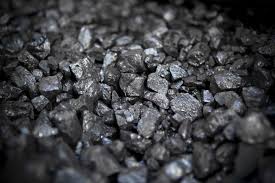
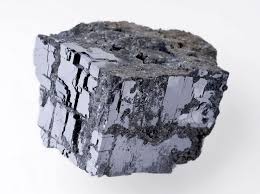
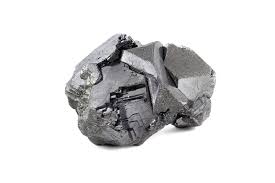
Lead is extracted from Ores dug from under ground Mines. The Pure form of Galena
contains only Lead and Sulfur, but it is usually found with Traces of other Metals
in it, including Silver, Copper, Zinc, Cadmium, and Antimony as well as Arsenic.
Refining of Lead:
Besides the Ore itself, only a few Raw Materials are Necessary for the Refining
of Lead. The Ore Concentrating Process Requires Pine Oil, Alum, Lime, and Xanthate.
Limestone or Iron Ore is added to the Lead Ore during the Roasting process. Coke,
a Coal Distillate, is used to Further Heat the Ore.
Mining the Ore:
The first step in Retrieving Lead Bearing Ore is to Mine it Underground. Workers
using heavy Machinery Drill the Rock from Deep Tunnels with Heavy Machinery or
Blast it with Dynamite, Leaving the Ore in Pieces. Then they Shovel the Ore onto
Loaders and Trucks, and Haul it to a Shaft. The Shaft at a Large Mine may be
a Mile or more from the Drill or Blast Site. The Miners Dump the Ore down the Shaft,
and from there it is hoisted to the surface.
Concentrating the Ore:
After the Ore is removed from the mine, it is treated at a Concentrating Mill.
Concentrating means to remove the Waste Rock from the Lead. To begin, the Ore must
be Crushed into very small pieces. The Ore is ground at the mill, leaving it in
Particles with Diameters of 0.1 Millimeter or Less. This means the individual
Granules are Finer than table Salt. The Texture is something like Granulated Sugar.
Flotation:
The Principal Lead Ore, Galena, is Properly known as Lead Sulfide, and Sulfur makes
up a substantial Portion of the Mineral. The Flotation Process Collects the Sulfur
bearing Portions of the Ore, which also Contains the Valuable Metal. First, the
finely Crushed Ore is Diluted with Water and then Poured into a Tank called
a Flotation Cell.
Slurry:
The ground Ore and water mixture is called Slurry. One percent Pine oil or a similar
Chemical is then added to the Slurry in the Tank. The tank then Agitates, Shaking
the Mixture Violently. The Pine oil attracts the Sulfide Particles. Then air is
Bubbled through the Mixture. This causes the Sulfide Particles to Form an Oily
Froth at the top of the tank.
The Waste Rock, which is called Gangue:
Sinks to the bottom. The Flotation process is controlled by means of X-ray Analyzers.
A Flotation Monitor in the control room can check the metal content of the slurry
using the X-ray analysis.
To Help Concentrate the Minerals:
Then, with the aid of a Computer, the Monitor may adjust the Proportion of the
Chemical additive to Optimize Recovery of the Metal. Other Chemicals are also
added to the Flotation cell to help Concentrate the Minerals. Alum and Lime
aggregate the Metal, or make the Particles Larger.
Flotation Process:
Xanthate is also added to the Slurry, in order to help the Metal Particles
Float to the Surface. At the end of the Flotation Process, the Lead has been
Separated from the Rock, and other Minerals Too, such as Zinc and Copper,
have been Separated out.
Lead Refining Process:
Then the Mixture is Spread on a Moving Grate. Air which has been heated
to 2,550°F (1,400°C) blows through the grate. Coke is added as Fuel, and the
Sulfur in the Ore Concentrate Combusts to Sulfur Dioxide Gas. This Sulfur Dioxide
is byproduct of the Lead Refining Process. It is Captured at a separate
Acid Plant and converted to Sulfuric Acid, which has many uses.
Refining:
The Molten Lead as it comes from the Blast Furnace is from 95-99% Pure. It is called
at this Point base Bullion. It must be further Refined to remove impurities,
because Commercial Lead must be from 99-99.999% Pure. To refine the bullion,
it is kept in the Lead Drossing Kettle at a Temperature just above its Melting Point,
about 626°F (330°C).
Byproducts/Waste:
Lead refining produces several byproducts. The gangue, or waste rock, accumulates
as the Ore is Concentrated. Most of the Minerals have been removed from the Rock,
so this Waste is not considered by the industry to be an Environmental Hazard.
It can be Pumped into a Disposal Pond, which Resembles a Natural Lake.
Sulfuric Acid is the major Byproduct of the Smelting process:
Sulfur Dioxide gas is released when the Ore is roasted at the Sinter Plant.
To Protect the Atmosphere, Fumes and Smoke are Captured, and the Air released
by the Plant is first Cleaned. The Sulfur Dioxide is collected at a separate
Acid Plant, and Converted to Sulfuric Acid. The Refinery can Sell this Acid
as well as its Primary Product, the Lead itself.
Wishing you all the best,
http://www.seeyourneeds.in