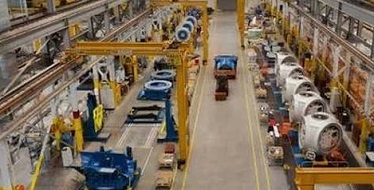
Manufacturing businesses convert raw materials, components, or intermediate goods into
finished products. They can range from small home-based production units to large
automated factories.
1. Food & Beverage Manufacturing: Pickle manufacturing, Spice and masala production,
Bakery products, Snacks and namkeen, Packaged drinking water, Fruit juices and beverages,
Dairy products, Ready-to-eat foods, Flour and grain processing, Frozen foods.
2. Consumer Products: Soap and detergent manufacturing, Candles, Incense sticks,
Paper products, Tissue and sanitary products, Household cleaning products,
Plastic household products, Kitchen utensils, Furniture, Mattresses.
3. Textile & Apparel: Garment manufacturing, Uniform manufacturing, Home textiles, Towels,
Bedsheets, Bags and backpacks, Footwear, Protective workwear, Textile accessories.
4. Construction Materials: Bricks and blocks, Cement products, Concrete products,
Paving blocks, Tiles, Pipes and fittings, Paints and coatings, Construction chemicals,
Roofing materials, Precast components.
6. Electrical & Electronics: LED lights, Switches and sockets, Electrical cables, Power supplies,
Batteries, Solar equipment, Electronic components, Control panels, Smart-home devices, IoT devices.
7. Automotive & Mobility: Auto components, Two-wheeler parts, EV components, EV charging
equipment, Vehicle accessories, Brake components, Rubber components, Filters,
Metal parts, Battery packs.
10. High-Growth Manufacturing Opportunities: Solar components, EV components, Battery-related
products, Recycling equipment, Renewable-energy equipment, Medical devices, Water-treatment
equipment, Energy-efficient appliances, Automation equipment, Drone components.
A strong manufacturing strategy: start with a product that has repeat demand + manageable
machinery costs + good margins + opportunities for B2B sales, then gradually automate and
expand production capacity.
Wishing you all the best,
http://www.seeyourneeds.in