PVC (Polyvinyl Chloride) leather
PVC (Polyvinyl Chloride) Leather is a synthetic leather made by coating a fabric base
(usually polyester or cotton) with a layer of polyvinyl chloride (PVC). It is widely
used as a cost-effective alternative to genuine leather in furniture,
automotive interiors, footwear, bags, and accessories.
Manufacturing Process:
1. Base Fabric Preparation – A woven or non-woven fabric provides strength.
2. PVC Coating – PVC resin is mixed with plasticizers, stabilizers, pigments, and additives.
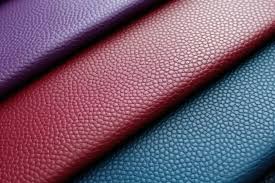
3. Embossing – The surface is embossed with leather-like grain patterns.
4. Finishing – Protective coatings improve gloss, durability, UV resistance, and stain resistance.
Key Features: * Water-resistant, * Durable and abrasion-resistant,
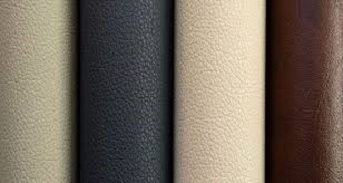
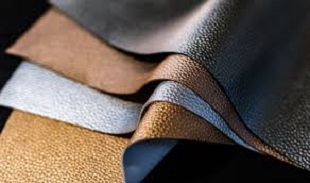
* Easy to clean and maintain, * Available in a wide variety of colors and textures,
* Lower cost than genuine leather, * Resistant to stains and many chemicals.
Advantages: * Affordable compared to natural leather, * Consistent appearance and quality,
* Suitable for high-volume manufacturing, * Good resistance to moisture,
* Can mimic various leather textures, * Available in flame-retardant and antimicrobial grades.
Limitations: * Less breathable than genuine leather and PU leather,
* Can feel stiff, especially in cold weather, * May crack or peel over time if low quality,
* Environmental concerns due to PVC production and disposal, * Difficult to biodegrade.
Care and Maintenance: * Wipe with a damp cloth and mild soap.
* Avoid harsh solvents and abrasive cleaners.
* Keep away from prolonged direct sunlight to reduce fading. * Store in a cool, dry place.
* Use protective conditioners designed for synthetic leather if recommended by the manufacturer.
Market Trends: The demand for PVC leather remains strong in applications where cost, water resistance,
and durability are priorities. However, many manufacturers are increasingly adopting PU leather and
newer bio-based or recycled alternatives to address environmental concerns and meet sustainability goals.
PVC leather remains a practical choice for many commercial and industrial applications,
especially where frequent cleaning, affordability, and moisture resistance are more
important than the premium feel of genuine leather.