Stop loss orders
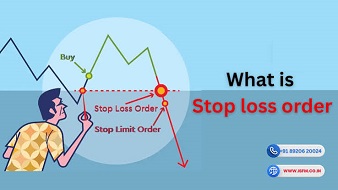
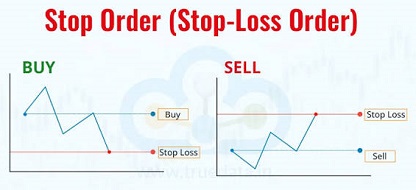
A stop-loss order is a trading order designed to limit your loss
if a stock moves against you.
Example:
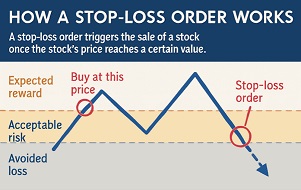
Suppose you buy a stock at ₹100.
You decide that you don't want to risk more than ₹5 per share.
Buy price: ₹100
Stop-loss: ₹95
If the stock falls to the trigger level, your order is activated.
The position is then sold according to the order type and available
market price.
Common types:
Stop-Loss Market: Activates and sends a market order.
Stop-Loss Limit Activates: a limit order at your specified price
Trailing Stop-Loss: Stop level moves upward as the price rises
Simple risk calculation.
If you buy 100 shares at ₹100 and set your stop-loss at ₹95:
Maximum planned loss = (₹100 − ₹95) × 100 = ₹500
Remember that a stop-loss does not guarantee the exact exit price.
In a fast-moving or illiquid market, execution can occur at a worse price,
particularly with a stop-market order.
For trading, a useful approach is to decide your risk per trade first,
then calculate the position size rather than choosing a stop-loss
solely because it is a convenient percentage.