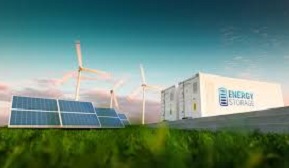
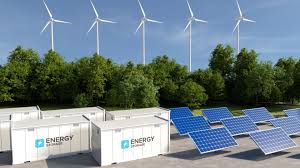
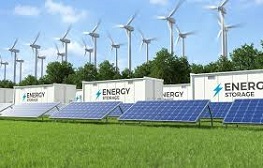
Sustainability and energy storage are closely connected fields focused on creating cleaner, more efficient,
and long-lasting energy systems. As the world shifts from fossil fuels to renewable energy sources like solar
and wind, energy storage technologies play a critical role in ensuring reliable power supply.
What is Sustainability?
Sustainability means meeting present needs without harming the ability of future generations to meet their own needs.
It involves balancing:
* Environmental protection, * Economic growth, * Social well-being.
In energy systems, sustainability focuses on: * Reducing carbon emissions, * Using renewable energy,
* Conserving natural resources, * Improving energy efficiency.
Importance of Energy Storage: Renewable energy sources such as solar and wind are intermittent because
they depend on weather conditions. Energy storage helps by:
* Storing excess energy, * Supplying electricity during shortages, * Stabilizing power grids,
* Reducing energy waste, * Supporting electric vehicles (EVs).
1. Battery Energy Storage Systems (BESS): The most common modern storage solution.
Types of Batteries: * Lithium-ion batteries, * Solid-state batteries, * Sodium-ion batteries,
* Flow batteries, * Lead-acid batteries.
Applications: * Electric vehicles, * Smartphones and laptops, * Solar power storage, * Grid backup systems.
2. Pumped Hydro Storage:
Water is pumped to a higher reservoir during low demand and released to generate electricity during high demand.
Advantages: * Large-scale storage, * Long lifespan, * High efficiency.
Limitation: * Requires suitable geography.
3. Thermal Energy Storage: Stores energy in the form of heat or cold.
Examples: * Molten salt storage in solar plants, * Ice-based cooling systems.
Used in: * Industrial heating, * Solar thermal power plants, * Smart buildings.
4. Hydrogen Energy Storage: Excess renewable electricity is used to produce hydrogen through electrolysis.
Uses: * Fuel cells, * Heavy transportation, * Industrial energy supply.
Hydrogen is considered an important future clean fuel.
5. Compressed Air Energy Storage (CAES): Air is compressed and stored underground. During demand,
the compressed air is released to generate electricity.
Role of Sustainability in Energy Storage: Sustainable energy storage systems aim to:
* Use recyclable materials, * Reduce toxic waste, * Increase battery lifespan, * Improve energy efficiency,
* Lower environmental impact.
Research is focused on eco-friendly alternatives to lithium and cobalt.
Smart Grids and Renewable Integration: Energy storage works with smart grids to:
* Balance electricity demand and supply, * Improve grid reliability, * Enable decentralized energy systems, * Support rooftop solar systems.
| Sector | Applications |
| -------------- | ------------------------------------ |
| Transportation | Electric vehicles, charging stations |
| Residential | Home solar battery systems |
| Industrial | Backup power, peak shaving |
| Utilities | Grid stabilization |
| Agriculture | Solar irrigation systems |
Benefits: Environmental Benefits:
* Reduced greenhouse gas emissions, * Less dependence on fossil fuels, * Cleaner air and water.
Economic Benefits: * Lower energy costs over time, * Job creation in green technology, * Energy independence.
Social Benefits: * Better access to electricity, * Improved public health, * Sustainable urban development.
Challenges: * High initial costs, * Battery recycling issues, * Limited raw materials,
* Energy losses during storage, * Infrastructure requirements.
AI in Energy Management: Artificial Intelligence is increasingly used to optimize:
* Energy consumption, * Battery performance, * Smart grid operations.
Vehicle-to-Grid (V2G): Electric vehicles can return stored electricity back to the grid during peak demand.
Green Hydrogen Economy: Green Hydrogen is expected to become a major clean energy source.
Conclusion: Sustainability and energy storage are essential for building a cleaner, smarter,
and more resilient energy future. Efficient storage technologies enable widespread adoption of renewable energy,
reduce environmental impact, and improve energy security. Continued innovation in batteries, hydrogen, smart grids,
and recycling technologies will shape the future of sustainable development.
Wishing you all the best,
http://www.seeyourneeds.in