Sweet Corn Farming
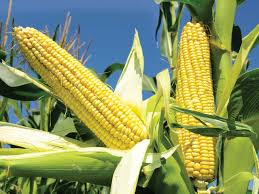
Corn is an annual Crop with yellow, white, or bi-colored ears. A long, frost-free growing Season is necessary.
Here’s how to Plant, grow, and Harvest Corn in your garden. Corn is wind-Pollinated, it should be Planted in blocks.
Late-Season varieties extend the Harvest, if you miss the optimal Harvest time, the Corn’s flavor will go downhill fast,
as sugars convert to starch.
When to Plant Corn
Plant Seeds outdoors approximately two weeks after the last spring frost date. Since it requires a fairly long growing
period with warm weather. If you live in an area with a shorter growing Season, choose an early variety that will mature
well before the first fall frost.
Temperature
Make sure the Soil temperature is above 60°F (16°C) for successful germination. Up to 65°F/18°C for super Sweet varieties.
In colder zones, the ground can be warmed by a black plastic cover. Plant Seeds through holes in the plastic. A couple weeks
after Planting your first round of Corn, Plant another Crop to extend the Harvest.
Choosing and Preparing Planing site: Corn Plants are picky about their Soil.
Work in aged manure or compost the fall before Planting and let it over winter in the Soil. The Soil should be well-Draining,
but must be able to hold some moisture. Corn tends to use a lot of water. Instead of Planting two long rows of Corn,
Plant “blocks” of Corn at least four rows deep. This ensures that the Corn which is Pollinated by wind—has a greater chance of producing viable ears.
How to Plant Corn: Starting Corn Seeds indoors is not recommended. It’s best to start them directly
in the garden so that their roots aren’t disturbed due to transPlanting. Plant Seeds 1.5 to 2 inches deep and 4 to 6 inches apart.
Rows should be spaced 30 to 36 inches apart.
How to grow Corn:
When your Plants are 3 to 4 inches tall, thin them so they are 8 to 12 inches apart. Be careful not to damage the roots when weeding.
Be sure to keep Corn well watered due to its shallow roots. Water at a rate of 5 gallons per sq. yard. Mulch helps reduce evaporation.
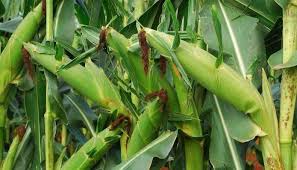
How to Harvet Corn: Harvest when tassels begin to turn brown and cobs start to swell.
Pull ears downward and twist to take off stalk. Corn varieties begin to lose their Sweetness soon after Harvesting,
so use them as soon as possible. Prepare for eating or preserving immediately after picking.
How is Corn Harvested and processed: Corn is mechanically Harvested by self propelled
or tractor pulled Harvesters. With mechanical Harvest, the part of the stalk that contains the ears is cut by the
Harvester and the ears are subsequently removed either by the Harvest machinery or
by hand. Culling and packing occurs later in the packinghouse.
What is the best fertilizer for Corn: A side-dressing of fertilizer containing nitrogen --
such as a 46-0-0 ratio fertilizer will help Corn continue to grow well after it sprouts and uses up some of the Soil's nitrogen.
To side-dress Corn, sprinkle the fertilizer on the surface of the Soil 6 inches to the side of the rows of Corn and water it in.
Does Corn grow back every year: Annual to Perennial: Corn. Perennial Plants are Plants
that are Planted once and grow many times through many Seasons thus saving time and money. They have long roots that
add organic matter to the Soil and keep the Soil healthy.
How often Corn be watered: Irrigating Maturing Plants. Corn needs plenty of water
in dry summer weather as Plants mature and regular weeding to remove competing weeds. Water Corn in the morning once
a week if there are no heavy downpours, giving each Plant 1 to 1 1/2 inches of water.
Best spacing for Corn: A good rule of thumb is to Plant seed two to three times
deeper than their average diameter. In areas with unlimited space, Corn is usually spaced 10-15 inches in the row,
with 36 to 42 inches between rows. A common mistake made by home gardeners is to Plant Corn in only one or two rows at a time.
Does Corn die after Harvest: The short answer is yes. Based on your DNA,
your body is better suited for some foods than others. This company found that 45%. Modern varieties of Corn produce
1–3 ears per Plant, all at one time, and die - the male flower “tassels” form at the top of the Plant, effectively stopping new growth.
How to Store Corn: Corn freezes well, especially if removed from ears before freezing.
Learn how to properly freeze Corn. Corn kernels can also be Harvested for other purposes, like Corn-filled therapy packs.
Wishing you all the best,
http://www.seeyourneeds.in